

Get in Touch
connect@vediclifesciences.com
Women’s Sports Nutrition Brands – Are You Missing Critical Data?
Women’s Sports Nutrition Brands – Are You Missing Critical Data?
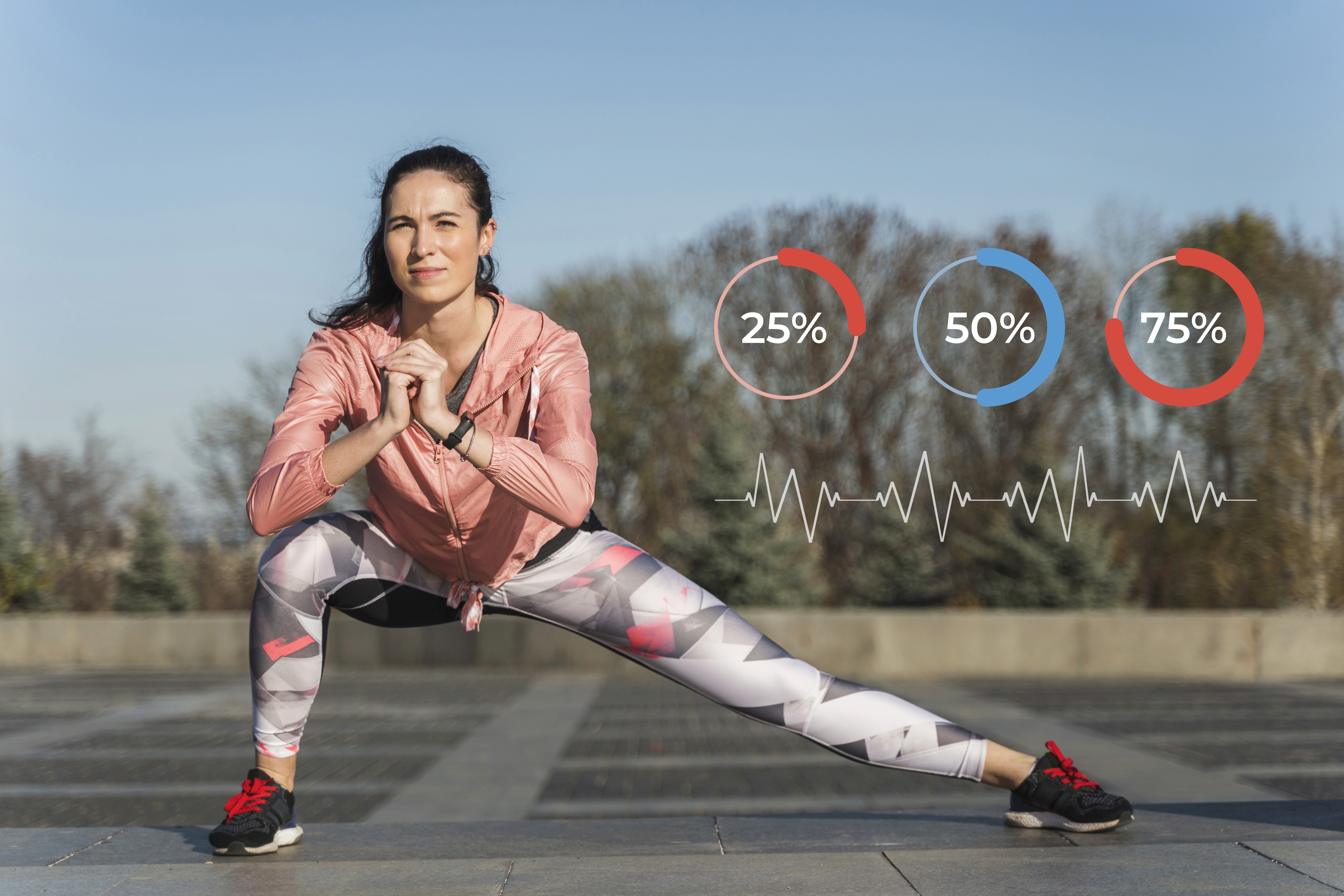
When it comes to sports nutrition, much of the research has historically focused on male athletes. But female athletes aren’t just “smaller men”, their physiology, hormones, and nutritional needs are distinct. Ignoring these differences can mean your product isn’t fully optimized for the women who need it most.
So, what critical data might you be missing when designing studies or formulating products for female athletes?
1. Hormones Matter
The menstrual cycle affects energy metabolism, recovery, and performance. Studies show that strength, endurance, and nutrient utilization can fluctuate depending on whether a woman is in the follicular or luteal phase. Even hormonal contraceptives can change how the body responds to nutrition. Without tracking these variables, you risk masking real benefits-or risks-of your product.
2. Energy Availability Is Key
Relative Energy Deficiency in Sport (RED-S) is a common but often overlooked challenge. Female athletes can have insufficient energy intake for their training load, leading to fatigue, poor recovery, or even long-term bone issues. Understanding their total caloric needs, macronutrient intake, and micronutrient sufficiency (like iron, calcium, and vitamin D) is critical.
3. Bone and Muscle Health Cannot Be Ignored
Women are more prone to stress fractures and bone density loss, especially in high-impact or endurance sports. Tracking bone mineral density and muscle health markers gives insight into both safety and effectiveness of your nutritional interventions.
4. Performance and Recovery Metrics
Beyond strength and endurance, consider recovery indicators like soreness, lactate clearance, and neuromuscular fatigue. Nutrition isn’t just about performance in the moment, it’s about helping athletes train smarter and recover faster.
5. Gut Health and Digestive Tolerance
Supplements can affect the gut differently in women, especially during high-intensity training. Tracking digestive tolerance or microbiome response can help avoid negative side effects that lead to product abandonment.
6. Psychological and Behavioral Factors
Mood, sleep, motivation, and even appetite fluctuate with hormonal cycles and training stress. These factors can dramatically influence performance and supplement adherence but are often overlooked in studies.
7. Study Design Matters
Stratify participants by menstrual phase or contraceptive use.
Include longitudinal tracking to see adaptations over training cycles.
Consider responder-focused endpoints - women respond differently to nutrition based on genetics, hormones, and lifestyle.
Bottom Line
If your sports nutrition research doesn’t account for these factors, you’re likely missing critical data that could impact both product efficacy and brand credibility. Female athletes deserve studies and products designed specifically for them, not just a scaled-down version of a male-focused formula.
By taking a thoughtful, female-specific approach, you can unlock new insights, improve performance outcomes, and show that your brand truly understands the unique needs of women in sport.
When it comes to sports nutrition, much of the research has historically focused on male athletes. But female athletes aren’t just “smaller men”, their physiology, hormones, and nutritional needs are distinct. Ignoring these differences can mean your product isn’t fully optimized for the women who need it most.
So, what critical data might you be missing when designing studies or formulating products for female athletes?
1. Hormones Matter
The menstrual cycle affects energy metabolism, recovery, and performance. Studies show that strength, endurance, and nutrient utilization can fluctuate depending on whether a woman is in the follicular or luteal phase. Even hormonal contraceptives can change how the body responds to nutrition. Without tracking these variables, you risk masking real benefits-or risks-of your product.
2. Energy Availability Is Key
Relative Energy Deficiency in Sport (RED-S) is a common but often overlooked challenge. Female athletes can have insufficient energy intake for their training load, leading to fatigue, poor recovery, or even long-term bone issues. Understanding their total caloric needs, macronutrient intake, and micronutrient sufficiency (like iron, calcium, and vitamin D) is critical.
3. Bone and Muscle Health Cannot Be Ignored
Women are more prone to stress fractures and bone density loss, especially in high-impact or endurance sports. Tracking bone mineral density and muscle health markers gives insight into both safety and effectiveness of your nutritional interventions.
4. Performance and Recovery Metrics
Beyond strength and endurance, consider recovery indicators like soreness, lactate clearance, and neuromuscular fatigue. Nutrition isn’t just about performance in the moment, it’s about helping athletes train smarter and recover faster.
5. Gut Health and Digestive Tolerance
Supplements can affect the gut differently in women, especially during high-intensity training. Tracking digestive tolerance or microbiome response can help avoid negative side effects that lead to product abandonment.
6. Psychological and Behavioral Factors
Mood, sleep, motivation, and even appetite fluctuate with hormonal cycles and training stress. These factors can dramatically influence performance and supplement adherence but are often overlooked in studies.
7. Study Design Matters
Stratify participants by menstrual phase or contraceptive use.
Include longitudinal tracking to see adaptations over training cycles.
Consider responder-focused endpoints - women respond differently to nutrition based on genetics, hormones, and lifestyle.
Bottom Line
If your sports nutrition research doesn’t account for these factors, you’re likely missing critical data that could impact both product efficacy and brand credibility. Female athletes deserve studies and products designed specifically for them, not just a scaled-down version of a male-focused formula.
By taking a thoughtful, female-specific approach, you can unlock new insights, improve performance outcomes, and show that your brand truly understands the unique needs of women in sport.
When it comes to sports nutrition, much of the research has historically focused on male athletes. But female athletes aren’t just “smaller men”, their physiology, hormones, and nutritional needs are distinct. Ignoring these differences can mean your product isn’t fully optimized for the women who need it most.
So, what critical data might you be missing when designing studies or formulating products for female athletes?
1. Hormones Matter
The menstrual cycle affects energy metabolism, recovery, and performance. Studies show that strength, endurance, and nutrient utilization can fluctuate depending on whether a woman is in the follicular or luteal phase. Even hormonal contraceptives can change how the body responds to nutrition. Without tracking these variables, you risk masking real benefits-or risks-of your product.
2. Energy Availability Is Key
Relative Energy Deficiency in Sport (RED-S) is a common but often overlooked challenge. Female athletes can have insufficient energy intake for their training load, leading to fatigue, poor recovery, or even long-term bone issues. Understanding their total caloric needs, macronutrient intake, and micronutrient sufficiency (like iron, calcium, and vitamin D) is critical.
3. Bone and Muscle Health Cannot Be Ignored
Women are more prone to stress fractures and bone density loss, especially in high-impact or endurance sports. Tracking bone mineral density and muscle health markers gives insight into both safety and effectiveness of your nutritional interventions.
4. Performance and Recovery Metrics
Beyond strength and endurance, consider recovery indicators like soreness, lactate clearance, and neuromuscular fatigue. Nutrition isn’t just about performance in the moment, it’s about helping athletes train smarter and recover faster.
5. Gut Health and Digestive Tolerance
Supplements can affect the gut differently in women, especially during high-intensity training. Tracking digestive tolerance or microbiome response can help avoid negative side effects that lead to product abandonment.
6. Psychological and Behavioral Factors
Mood, sleep, motivation, and even appetite fluctuate with hormonal cycles and training stress. These factors can dramatically influence performance and supplement adherence but are often overlooked in studies.
7. Study Design Matters
Stratify participants by menstrual phase or contraceptive use.
Include longitudinal tracking to see adaptations over training cycles.
Consider responder-focused endpoints - women respond differently to nutrition based on genetics, hormones, and lifestyle.
Bottom Line
If your sports nutrition research doesn’t account for these factors, you’re likely missing critical data that could impact both product efficacy and brand credibility. Female athletes deserve studies and products designed specifically for them, not just a scaled-down version of a male-focused formula.
By taking a thoughtful, female-specific approach, you can unlock new insights, improve performance outcomes, and show that your brand truly understands the unique needs of women in sport.

Vedic Lifesciences — Where Innovation Meets Evidence
Clinical trials, regulatory clarity and brand growth for global health innovators.
Explore Now

Vedic Lifesciences scoops Nutra Ingredients research project award.

connect@vediclifesciences.com
203 Morya Landmark 1, Off Link Road, Andheri (W), Mumbai 400053
Want to Join Vedic? Reach out to our HR
© 2025 Vedic Lifescience Pvr Ltd. All Rights Reserved.
Designed and Developed with ❤️ at Codesis
Vedic Lifesciences — Where Innovation Meets Evidence
Clinical trials, regulatory clarity and brand growth for global health innovators.
Explore Now
Vedic Lifesciences scoops Nutra Ingredients research project award.
© 2025 Vedic Lifescience Pvr Ltd. All Rights Reserved.
Designed and Developed with ❤️ at Codesis
Want to Join Vedic? Reach out to our HR
connect@vediclifesciences.com
203 Morya Landmark 1, Off Link Road, Andheri (W), Mumbai 400053
Vedic Lifesciences — Where Innovation Meets Evidence
Clinical trials, regulatory clarity and brand growth for global health innovators.
Explore Now

Vedic Lifesciences scoops Nutra Ingredients research project award.
connect@vediclifesciences.com
203 Morya Landmark 1, Off Link Road, Andheri (W), Mumbai 400053
Want to Join Vedic? Reach out to our HR
© 2025 Vedic Lifescience Pvr Ltd. All Rights Reserved.
Designed and Developed with ❤️ at Codesis